
It’s hard to believe that we are already at the start of a new year, when it felt like 2025 only just begun! We are looking forward to getting stuck into what is sure to be yet another jam-packed year. But before we do that, there is just enough time to look back at last month, to see what the Fanatic team got up to.
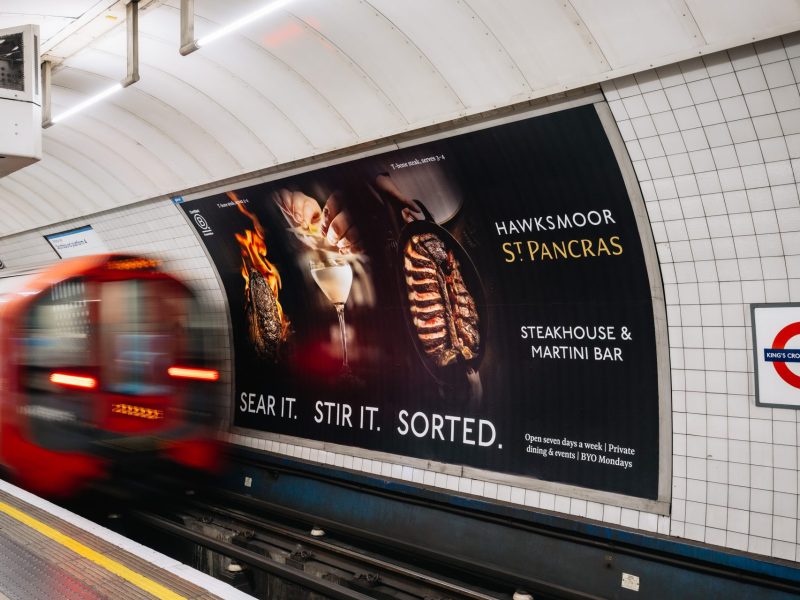
Much like the last 11, December has been another busy month at Fanatic. We’ve produced a London Tube advert for Hawksmoor, attended Google’s office in Chicago, enjoyed our Christmas party and much more. From all of us at Fanatic, we wish you a very happy new year!
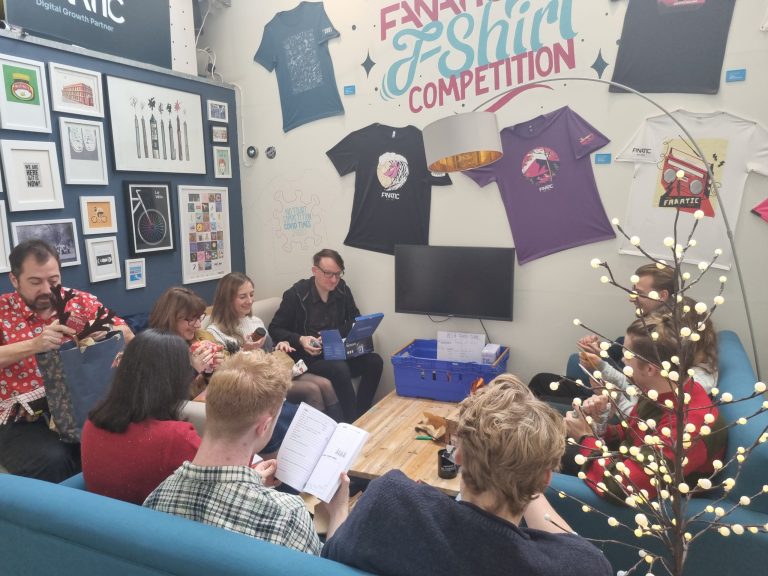
First up, by popular demand, was the return of James’s excellently crafted quiz. This year’s rounds included deciphering obscure metal band logos, geolocating famous landmarks from photos deliberately taken facing away from them, and identifying countries from decidedly vague flag descriptions. The competitive spirit was high, but the obscurity of the questions managed to humble many of us, and after all the scores were totted up, there was little to split the teams!
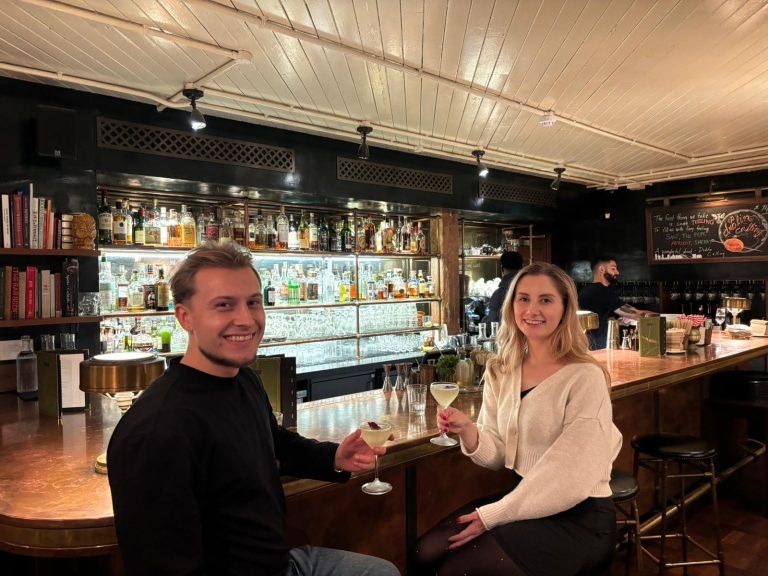
After the quiz, it was every man and woman for themselves in “The Snatching Game”. Perhaps the antithesis of a team bonding exercise, the gist of the game can be reduced to the following: “collect more presents than everyone else has by the end of the game”. The presents on offer this year ranged from a huge box of custard creams, chocolate and a particularly impressive hamper, courtesy of Dan. Needless to say, this was by far the most targeted of the items and eventually won by Craig. After this, it was off for a festive drink in the Hen & Chicken, before enjoying a lovely three-course festive meal at The Spotted Cow. Delicious!
Designers need to embrace inclusive design with options rather than trying to build one-size-fits-all solutions. Developers should treat AI as a junior developer – useful for spotting patterns but requiring human oversight. Content teams must remember to incorporate accessibility standards into their work as well. Accessible content isn’t just good for people; it’s easier for AI to understand and index, too.
The key insight? You can’t do accessibility alone. It requires the whole team working together, asking questions, and getting comfortable being vulnerable.
One of the most powerful takeaways was about language. Instead of saying “this is non-compliant,” ask “how can we make this work for all users?” Instead of presenting checklists, focus on improving user experience.
Perhaps the most encouraging message: progress over perfection. Start where you are, celebrate small wins, and keep improving. Make people want to embrace accessibility by connecting it to what they care about – whether that’s revenue, brand reputation, quality, or simply building things that work for everyone.
When using Cloudflare in front of a WordPress site, all traffic is proxied through Cloudflare’s servers. This means that typically, Wordfence will only see the Cloudflare IP (Internet Protocol – a unique numerical label assigned to every device on a computer network) as the source of every request. Because Wordfence relies on the actual client IP to compare against its threat intelligence database, failing to pass the real IP prevents Wordfence from accurately identifying malicious visitors.
As a result, Wordfence cannot properly match requests to known bad actors, rate-limit offenders, or block attacks based on IP reputation. Ensuring that the server is correctly configured to the original visitor IP from Cloudflare is essential for Wordfence to function effectively and provide accurate security protection alongside Cloudflare.