
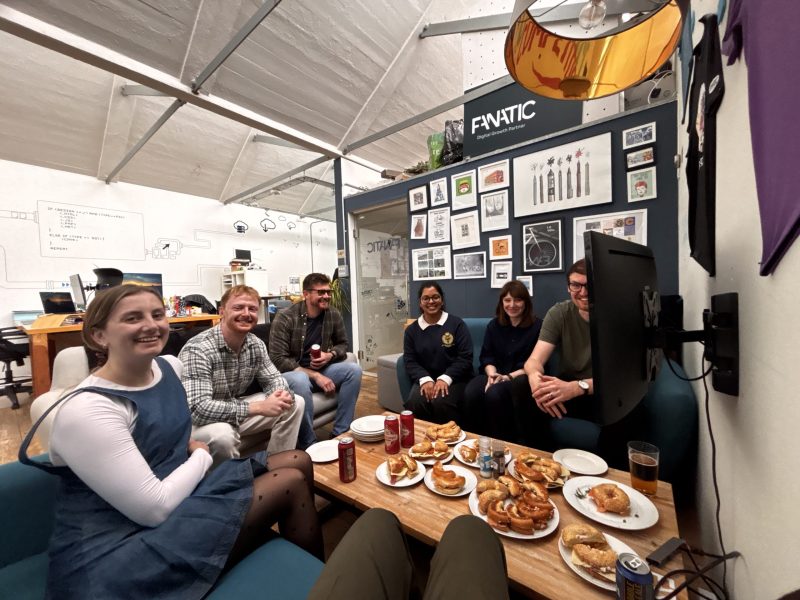
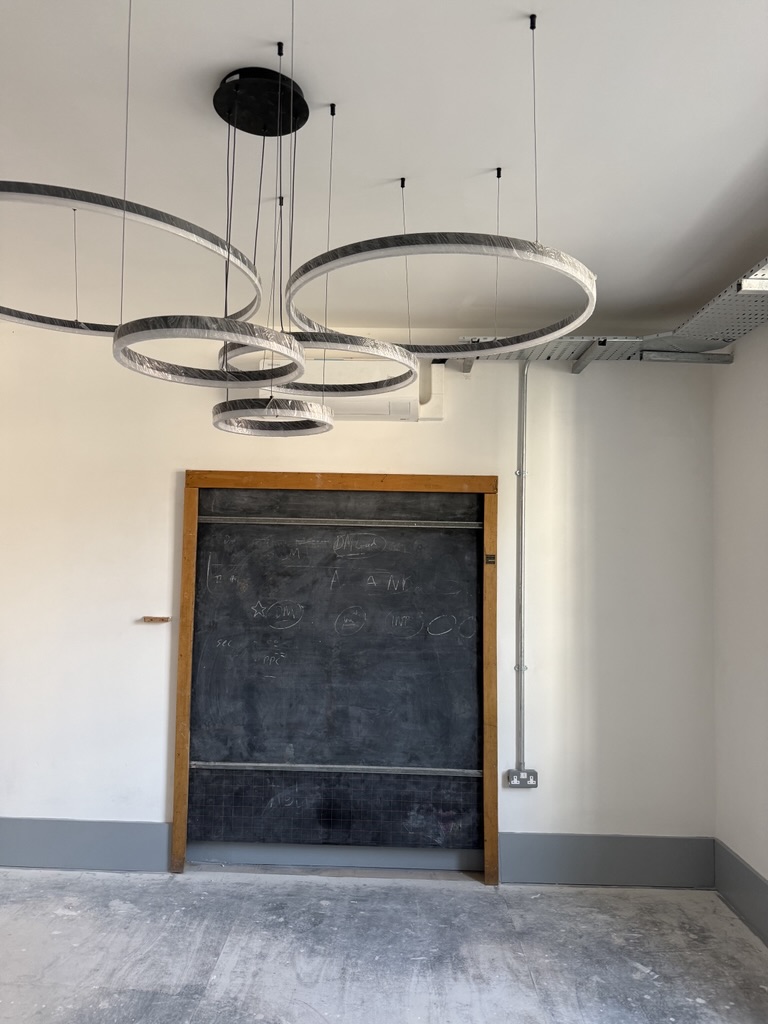
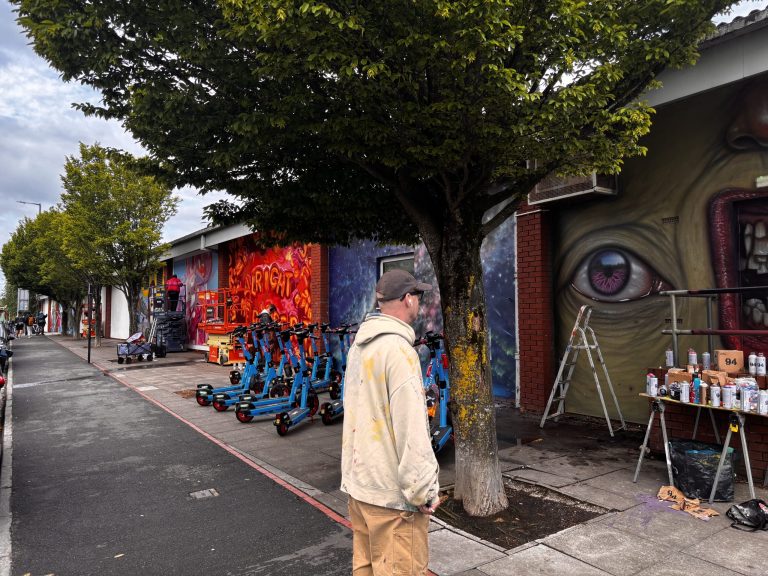
May has been a month of moving forward, in more ways than one. With Courage House almost ready and the boxes well and truly stacking up, there’s a real buzz about the new chapter just around the corner. Add Upfest bursting into colour right on our doorstep, a mountain of bagels that didn’t last long, website launches, and a few of the team pushing themselves to the limit on two feet and two wheels, and it’s been anything but quiet. Here’s what we’ve been up to.
Our PPC team has been getting to grips with Google’s Performance Max overhaul, one of the more meaningful updates we’ve seen in years. PMax has long been the campaign type marketers loved to hate; brilliant at delivering results but giving us almost no visibility into where budget was going or which assets were actually working. That’s finally changed.
We now have channel-level reporting showing how spend splits across Search, YouTube, Display, Gmail, Discover and Maps, with day-by-day breakdowns we can pull straight into client reports. Asset-level metrics enable real A/B testing rather than relying on Google’s vague ‘best’ and ‘low’ labels, and search term reporting now offers meaningful insights instead of vague performance data. Crucially, we can exclude Search Partners and the Display Network entirely, addressing long-standing concerns around ghost conversions and inflated attribution.
It’s not a fully open book, but for the first time we can properly test cause and effect inside PMax.
AI models and search engines behave a lot like a user with a screen reader. They rely on clean, semantic HTML, descriptive alt text and logical structure to understand your content. Optimise for accessibility and you’re optimising for discoverability at the same time. The sites that are easiest for machines to parse are the ones AI tools like ChatGPT and Gemini cite as authoritative sources. Add the everyday wins of inclusive design (bigger tap targets, high contrast text, clearer navigation) and you get less friction, higher conversions and fewer support tickets across the board.
Christina’s takeaway is refreshingly simple. If you want to be discoverable by AI agents, invest in accessibility. If assistive technology can navigate your content, an AI agent can too. You can read the full article here.
Two events, two months. Dan has been busy representing Fanatic US at a pair of fantastic Illinois Restaurant Association events this spring. April’s Chef’s Table fundraising gala was epic, and this month’s Meet The Experts at Third Coast Hospitality’s Tunnel reinforced a point close to our hearts: experience and storytelling are what set great restaurants apart. You can read more about the latest event here.
That’s where OPCache comes in. It’s a built-in PHP extension that stores the compiled bytecode in memory, so the server can reuse it on the next request rather than recompiling from scratch. The result? We’ve been seeing page load response times drop by around 30%, with CPU usage falling by as much as 70%. That’s a real boost to speed and performance, plus the ability to handle more traffic on the same hardware. It’s exactly the kind of thing we take care of as part of keeping our clients’ sites running at their best.