
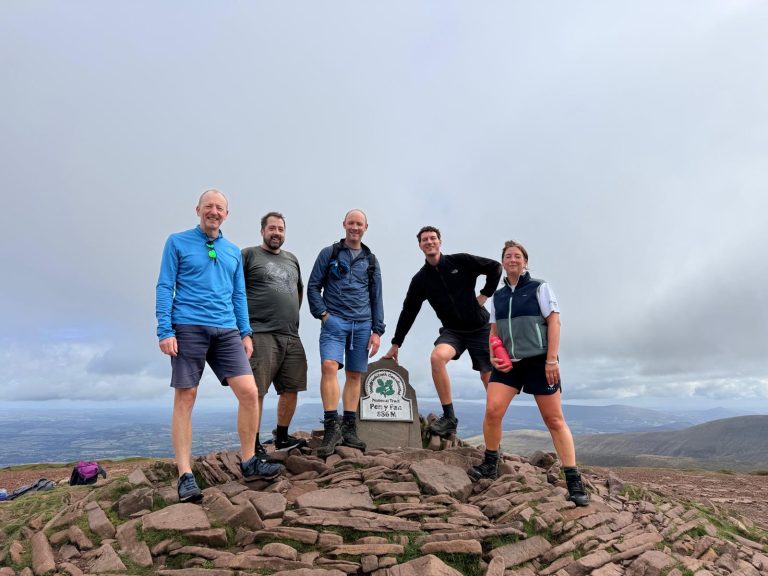
September was a big one for us. We turned 25 and threw a party to celebrate, some of the team took on Pen y Fan, and we welcomed Dan over to the UK for a couple of weeks. We also launched new websites and brand refresh for Peartree Cleaning Services, and Will and Althea joined Team Marketing and Distil AI for a webinar on turning guest data into revenue.
Over in Digital, Ben ran a stand-up on entity SEO, and the team shared new blogs on PDF menus, backlinks and what AI already knows about your brand. Here’s what we’ve been up to.
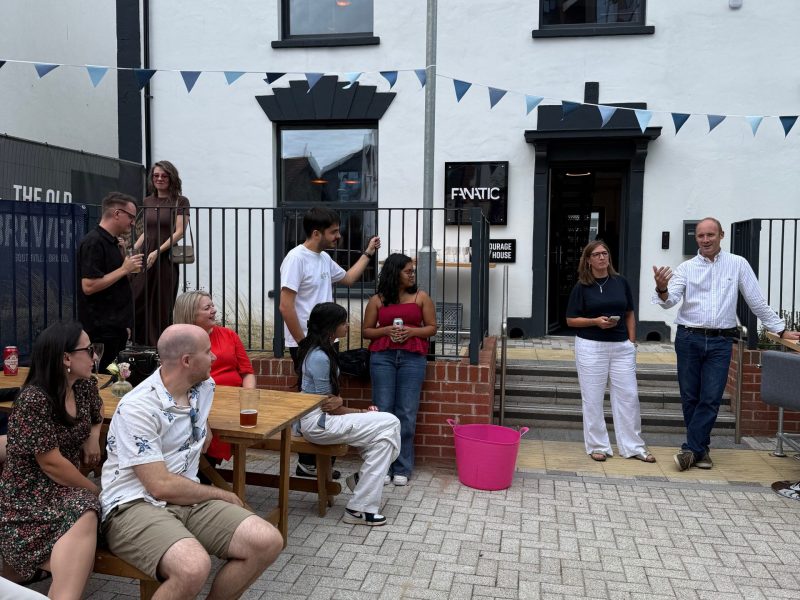
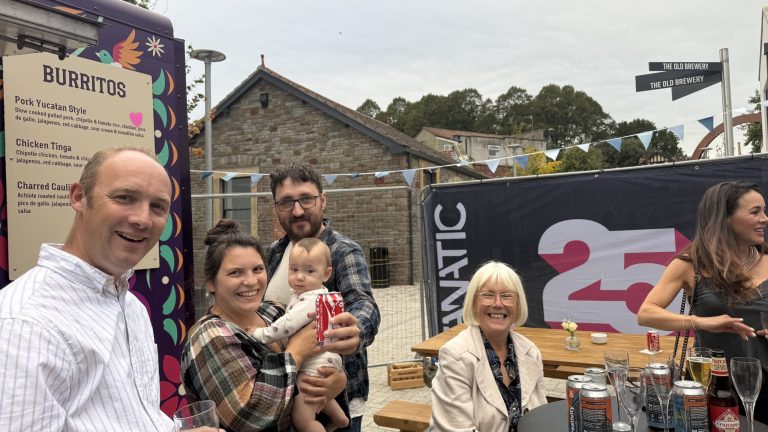
A Mexican food van in our yard served up plenty of delicious burritos and churros, with the jalapeño mac and cheese balls proving particularly popular. Drinks flowed in the sunshine, including our special 25th Fanatic beers, which we enjoyed throughout the afternoon and into the evening.
It was an afternoon filled with laughter, great food, drinks and family fun — the perfect way to celebrate 25 years of Fanatic and the beginning of an exciting new chapter.
The menu is one of the most visited pages on a restaurant’s website, but many restaurants still only offer it as a PDF download.
Our Graphic Designer Mia explains why that’s a problem. PDF menus open in new tabs or force a download, and they’re awkward to read on a phone, which is where most restaurant traffic comes from. They’re also harder for search engines and AI tools to understand, and most aren’t built to be accessible.
A menu built into your website solves all three. It adapts to every screen, it’s easy to update, and every dish, description and dietary label becomes content that search engines and AI can read. Mia also shares some of the bespoke menu systems we’ve built for Benihana, Bonheur by Matt Abé and Salt Water Social.
Most hospitality businesses already collect guest data through Wi-Fi logins, booking engines and POS systems. The challenge is turning that data into repeat visits. Will and Althea shared a three-step framework.
Matt and Chris from Distil then shared a case study on Hawksmoor’s “Journey to Regular” programme, which runs on Distil’s single guest profile. Guests are recognised and rewarded in venue as they visit more often, and those in the top tiers are five times more likely to book again in the same quarter. When Hawksmoor opened at St Pancras, its most loyal guests were invited to the opening events first, and the soft launch places went in minutes.
It’s been a busy month for paid media. Here’s a round-up of the latest changes from our paid media team.
Meta. Meta Ads now has an MCP server, so you can create, optimise and report on campaigns through an agentic interface. Meta has also launched creative diversity metrics, which indicate how well your ads are meeting the needs of its Andromeda algorithm. They’re still in development and likely to evolve, but they give a clear indication of what Meta wants from your ads going forward.
Google. Standard search campaigns are now appearing in AI Mode, a sign of Google’s shift towards AI Mode as the default way to search. Dynamic Search Ads are being replaced by AI Max, and Display campaigns are moving into Demand Gen. Now is a good time to start testing both.
ChatGPT. While the industry is still getting to grips with ChatGPT ads, improved conversion capabilities mean they’re now worth testing for most advertisers.
At a stand-up this month, our SEO Specialist Ben walked the studio through entity SEO in a session called “Things, not strings”.
The phrase comes from Google, which used it in 2012 when it launched the Knowledge Graph. Strings are the keywords people type into search. Things, or entities, are identifiable objects with a name, a type and relationships to other entities. Benihana is an entity. So is a MacBook, or yoga.
Ben walked through how to find the entities that matter for a topic, from checking what Google surfaces for a search (Knowledge Graph results, People Also Ask and AI Overviews) to sources like Wikipedia, Wikidata, Google Trends and the Ngram Viewer. He then covered how to put them to use through clear information hierarchies, schema markup, authorship and horizontal linking between related pages.
He finished by looking at how this applies to each team:
For more on entities, read our conversation with Dixon Jones about entity maps.
Hilda, our AI and SEO Specialist, asks a question that comes before getting cited: what do AI tools already think your brand is?
An LLM either answers from its training data or searches the web first (a grounded response), and the answers can differ. One model, answering from memory, told a well-known restaurant group it didn’t hold a certification it has had for years. When it searched first, it got it right.
Hilda also covers the six signals we test for. Grounded gaps can usually be fixed on your own website within weeks. Training data gaps take months, and need coverage on third-party sites like Wikipedia and in the news.