
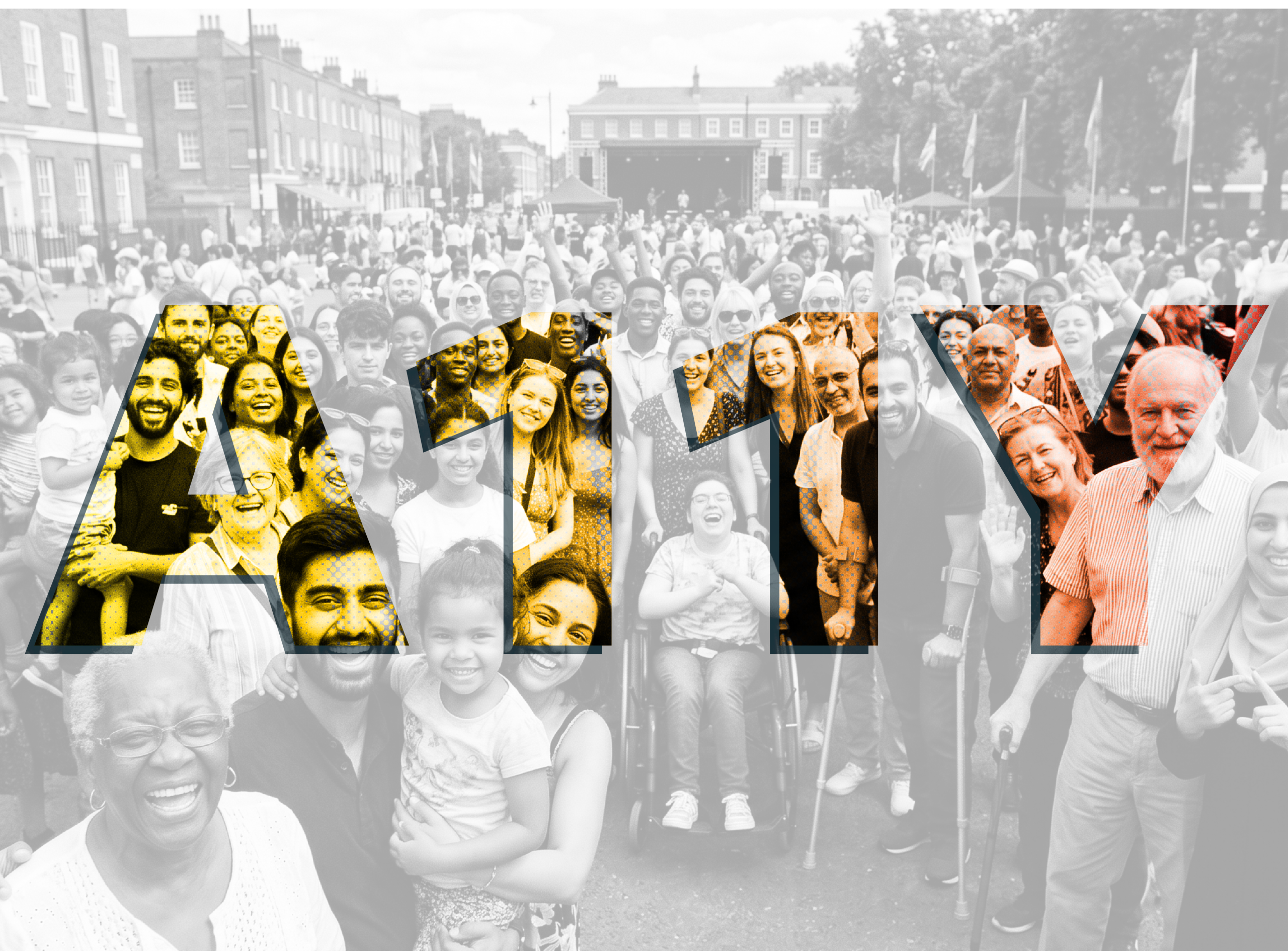
Around 1.3 billion adults globally (1 in 4 people in the UK) have a disability, and many more experience temporary limitations (a broken arm, a noisy environment, ageing eyesight). An accessible site serves them all. If your website isn’t accessible, it isn’t inclusive. And if a site can’t be used by millions of people, how great can the design really be?
Beyond inclusion, accessible websites are measurably better for business: they rank better in search engines, load faster, convert more users, and carry significantly lower legal risk. AI-powered tools like Google’s AI Overviews, ChatGPT, and Perplexity depend on the same semantic signals. Good structure and descriptive text help crawlers, screen readers, and AI assistants alike.
In short, an accessible website also has:
Things you can do today to make your website more accessible.

Check what your site lacks. Some simple accessibility wins:
Forms must have clear labels to improve usability with screen readers.
Ensure images and videos have accurate descriptions.
Make sure your colours have sufficient contrast ratio
All interactive elements can be accessed by a keyboard alone.
Copy and interactive elements have context if they are read aloud.

A formal audit gives you a prioritised list of issues, clear recommendations, and a statement of conformance against WCAG 2.2 AA, which is increasingly becoming the widely accepted standard.
• Identifies issues automated tools can’t catch (keyboard traps, screen reader announcements, complex components)
• Produces a WCAG 2.2 AA conformance report you can share with clients or procurement teams
• Prioritises issues by impact so you fix what matters most first
• Reduces legal risk; enforcement is increasing no matter where you do business
• Puts you ahead of your competitors and able to reach a massive untapped market
An audit doesn’t have to be a huge project, it can be customised to fit your current needs. Look here to learn more about our custom accessibility audit services.